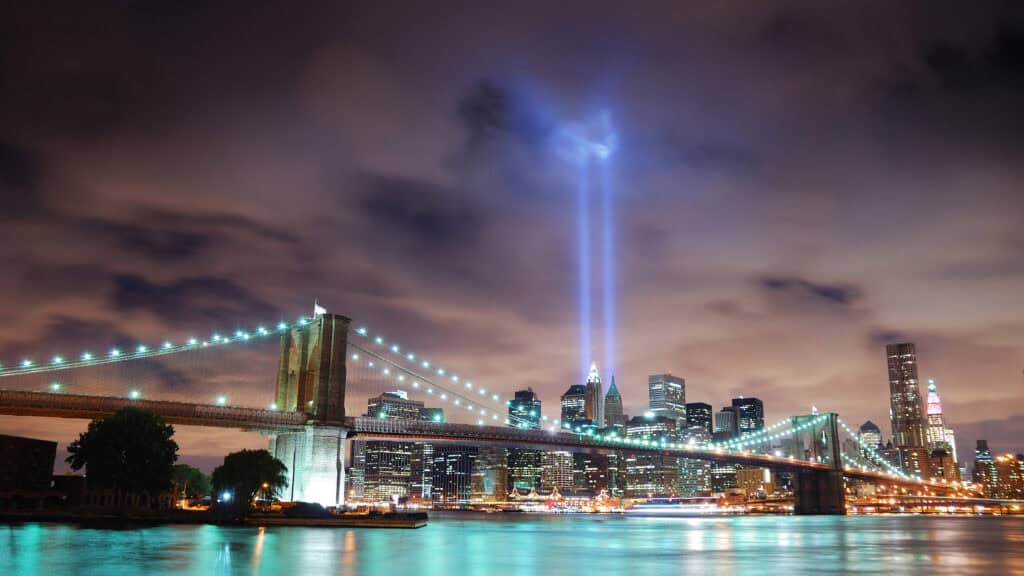
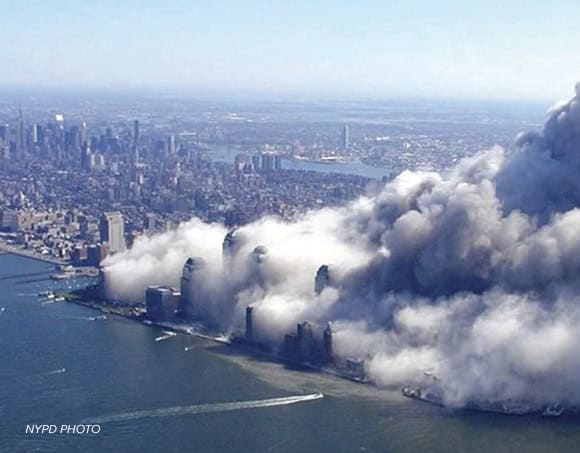
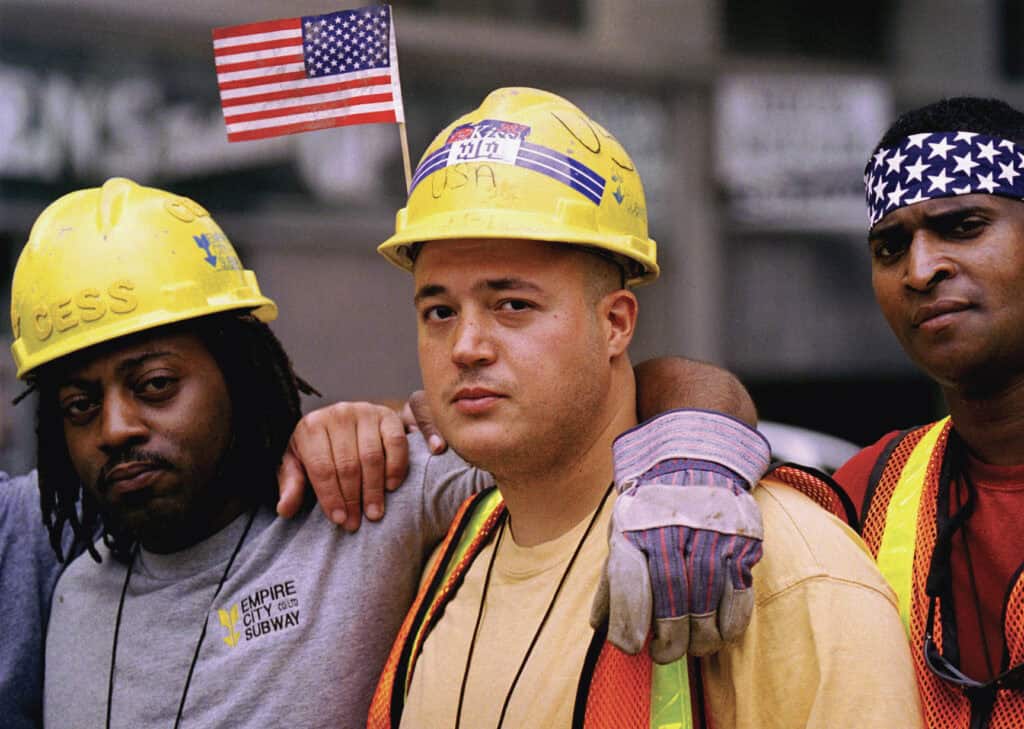
Hundreds of thousands of responders, workers, residents, and survivors were exposed to harmful conditions in and around the World Trade Center site. Many continue to face serious health challenges years later. The World Trade Center Health Program exists to ensure those affected receive the medical care and long-term support they deserve.
About the WTC Health Program
Many people have gotten ill as a result of the environmental fallout after the terrorist attacks on New York City on 9/11. Responders involved in the rescue, recovery, and cleanup services including temporary workers, day laborers, construction and building trades workers, communication workers, state and city workers and survivors (those in the dust or dust cloud on 9/11 and area workers/residents/students) present in the NYC Disaster Area are eligible for the program. It is estimated that over 400,000 people were exposed to the WTC-contaminants on 9/11 and the subsequent recovery. Years later, many of those who were exposed continue to get sick with related illnesses.
The James Zadroga 9/11 Health and Compensation Act established the WTC Health Program in 2011 to provide healthcare to these 9/11 responders and survivors. The WTC Health Program is administered by the National Institute for Occupational Safety and Health (NIOSH), part of the Centers for Disease Control and Prevention (CDC) in the U.S. Department of Health and Human Services.With Zadroga Act’s reauthorization in 2015, the WTC Health Program is funded through 2090.
Are You Eligible for the World Trade Center Health Program?
Responders involved in the rescue, recovery, and cleanup services including temporary workers, day laborers, construction and building trades workers, communication workers, state and city workers and survivors (those in the dust or dust cloud on 9/11 and area workers/residents/students) present in the NYC Disaster Area are eligible for the program.
Click here for an application or for more information or call the WTC Health Program directly at (888) 982-4748. If you need further support, please do reach out to us directly. Further, if you or a union or employer that wants a presentation on the WTC Health Program, we are happy to help! Contact Lara Maldjian at lara@nycosh.org to schedule.
The health effects of 9/11 didn’t end in 2001, dedicated care continues today and every day forward.
Specialized 9/11 No-Cost Health Care is Available
If you believe your health was impacted by the 9/11 disaster, you may be eligible for no-cost medical monitoring and treatment at the WTC Health Program. The WTC Health Program is a specialized no-cost health care program available throughout the country with Clinical Centers of Excellence located in the New York metro area. The program treats over a 100 different illnesses related to 9/11 including many upper respiratory conditions such as asthma and sleep apnea, mental health conditions such as depression, and PTSD, and over 50 types of cancer.
For detailed stories from responders themselves, download our Health and Hardship report here: Download Report
RequestSupport or Get Assistance
If you believe your health was affected by 9/11, or if you’re unsure and want help exploring your eligibility, we’re here to support you.
Fill out the form to request guidance, ask questions, or schedule a training or presentation. NYCOSH will follow up with the next steps and resources to help you move forward.